Congress Faces Key Deadlines in Lame-Duck Session
Following midterm elections, Congress has entered a "lame duck" session in Washington D.C., facing a government funding deadline and other legislative priorities before the new Congress convenes in January.

 Portland, OR, November 7, 2026 —
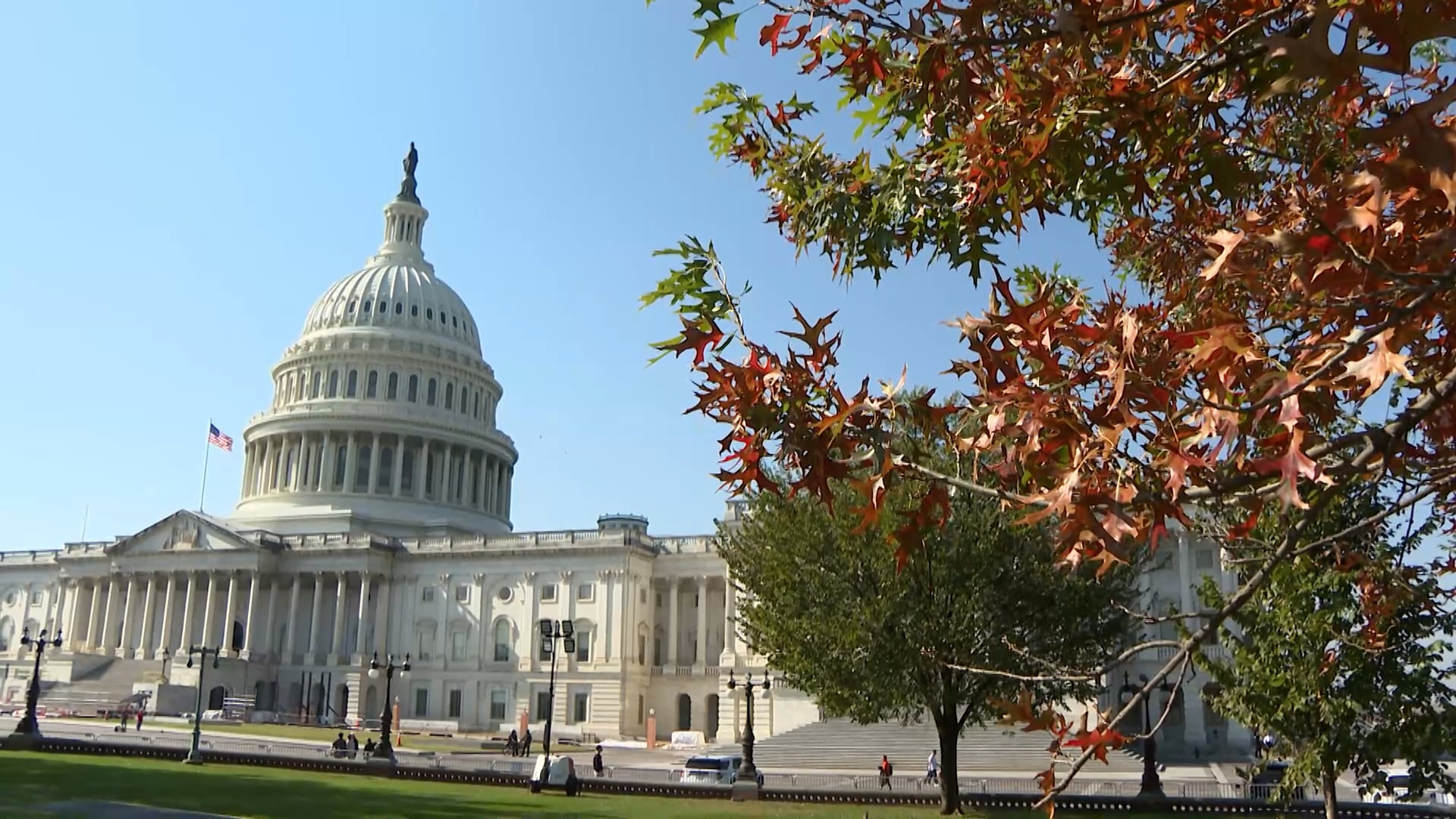
Washington D.C. – Congress has convened for a post-election “lame duck” session, a period typically characterized by efforts to finalize legislation before the composition of the next congressional term takes effect. This current session is marked by a pressing government funding deadline and a slate of other legislative priorities that lawmakers aim to address prior to the new Congress being sworn in come January.
The “lame duck” period refers to the time between a general election and the inauguration of a new government. During this phase, outgoing members of Congress, whose terms are ending, may have an opportunity to advance legislation or take action on pressing matters without the immediate pressure of campaigning for re-election or the constraints of a new legislative mandate. Conversely, the session can also be a time of heightened political maneuvering as different factions attempt to achieve their objectives before power dynamics shift.
A significant item on the agenda is the impending government funding deadline. Failure to pass appropriations bills by this deadline could lead to a government shutdown, impacting federal services and operations. Lawmakers are reportedly working to negotiate and pass the necessary measures to avoid such an outcome. The specifics of the proposed funding levels and the duration of any potential continuing resolutions have not been fully detailed in the provided information.
Beyond the essential task of funding the government, Congress is also expected to tackle other legislative priorities during this session. The exact nature and scope of these additional priorities were not specified in the trend summary. Historically, lame-duck sessions can be unpredictable, with significant legislation sometimes advancing, while other efforts stall due to political disagreements or time constraints.
The outcome of these legislative efforts will shape the immediate future of federal operations and policy as the nation transitions to a new Congress. The convening of the new Congress in January will bring a fresh set of priorities and potentially a different legislative landscape.
Story summarized from the original created by Caitrin Assaf on www.kptv.com, see more information here.
Media gallery