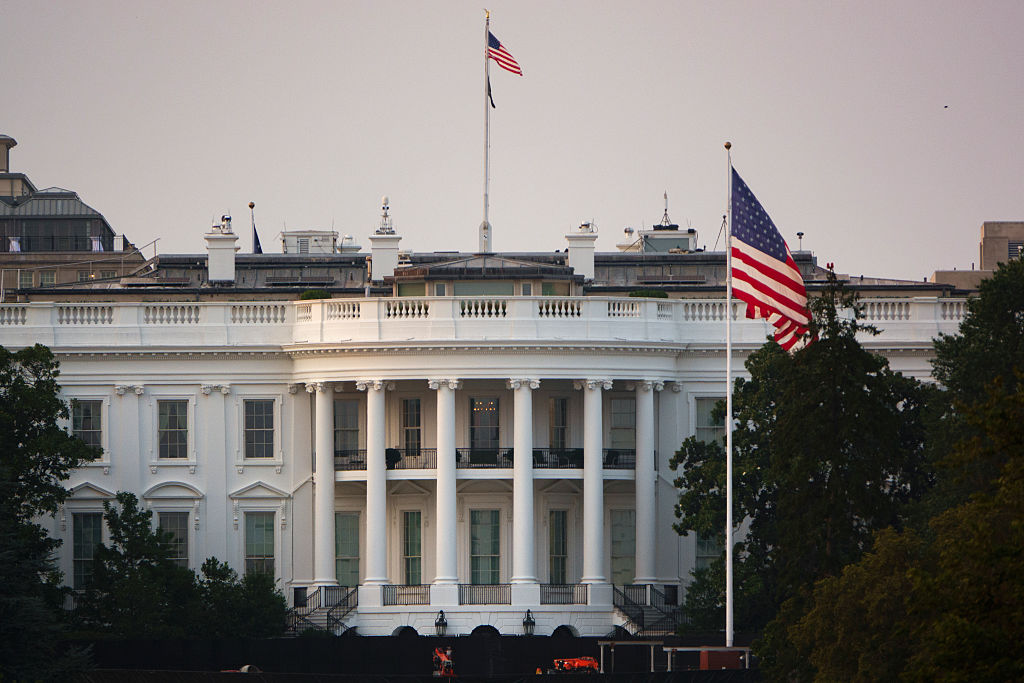
U.S. Senate Passes Protect College Sports Act
The U.S. Senate passed the Protect College Sports Act, a bill aimed at regulating college athletics by addressing player compensation, name, image, and likeness (NIL) rights, transfer portal rules, and student-athlete protections.

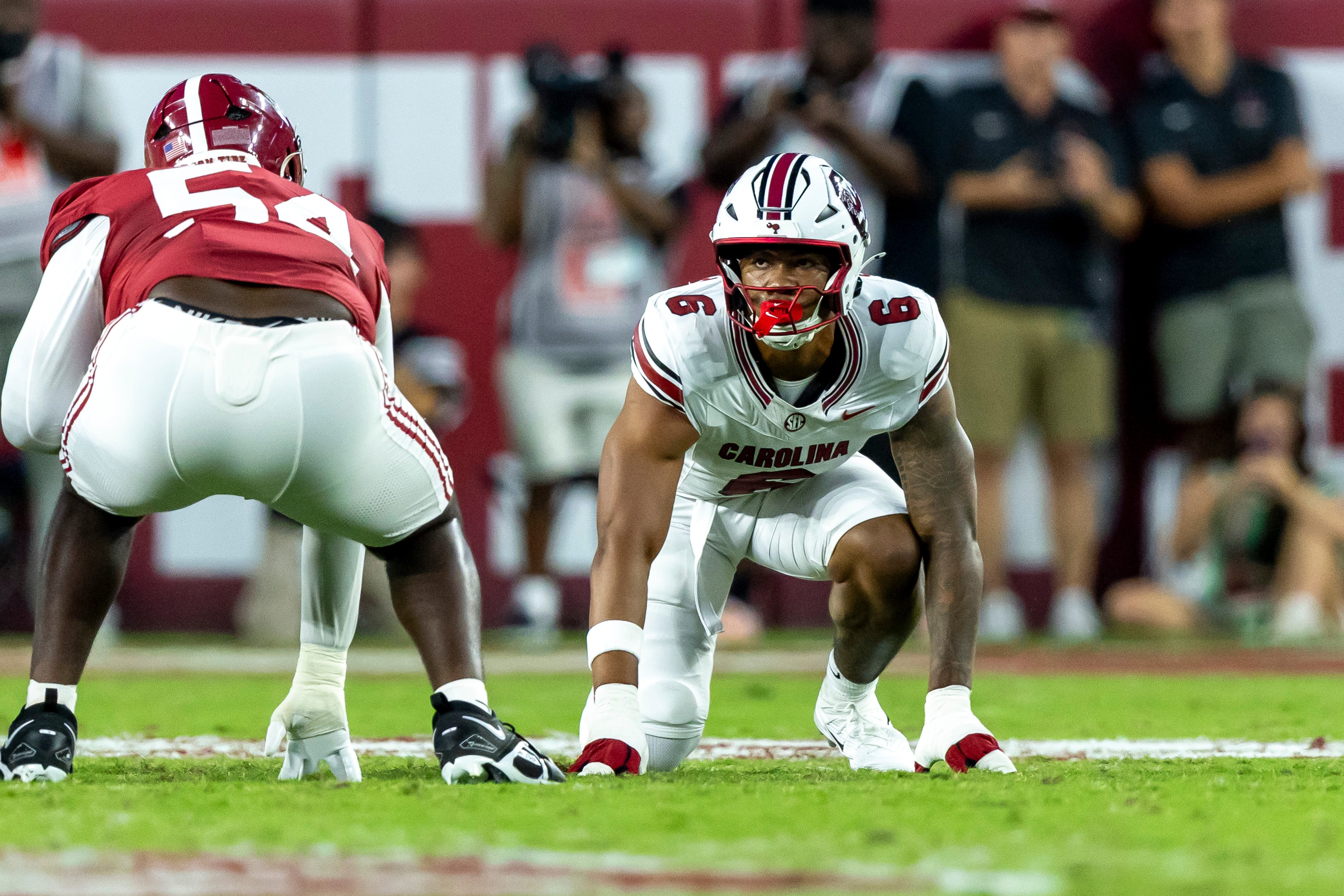
 Portland, OR, September 29, 2026 —
The U.S. Senate has passed the Protect College Sports Act, a legislative measure designed to introduce new regulations within the landscape of college athletics. The bill addresses several key areas that have seen significant shifts and debate in recent years.
Among the primary focuses of the Protect College Sports Act are provisions related to player compensation. The legislation seeks to establish a framework for how student-athletes can be compensated. This comes at a time when the conversation around collegiate athlete pay has intensified.
Furthermore, the act targets the regulation of name, image, and likeness (NIL) rights. Since the introduction of NIL opportunities, colleges and athletes have navigated a complex and evolving environment. The Protect College Sports Act aims to bring more structure to this area.
Rules governing the transfer portal are also a component of the bill. The transfer portal has become a prominent feature in college sports, facilitating athlete movement between institutions. The legislation is intended to address the operational aspects and impacts of the transfer portal.
Student-athlete protections are another stated objective of the newly passed act. This suggests an effort to enhance the welfare and rights afforded to students participating in collegiate sports. Specific details regarding the extent of these protections were not provided in the summary of the bill’s passage.
The passage of the Protect College Sports Act by the Senate signifies a move towards federal intervention and standardization in college sports governance. The full scope and specific mechanisms of the regulations concerning player compensation, NIL rights, transfer portal rules, and student-athlete protections will be subject to further legislative and implementation processes. The exact timeline for when these provisions will take effect, or if further congressional action is required, was not detailed in the information available.
Story summarized from the original created by Emma Wulfhorst on www.kptv.com, see more information here.
Media gallery