PTSD in Aging Adults: A Persistent Condition Often Mistaken for Other Ailments
A trending topic in Portland, OR, explores how Post-Traumatic Stress Disorder (PTSD) does not expire and can resurface as individuals age, particularly during significant life transitions like retirement or loss. The discussion highlights that PTSD is a persistent physical and…

 Portland, OR, October 7, 2026 —
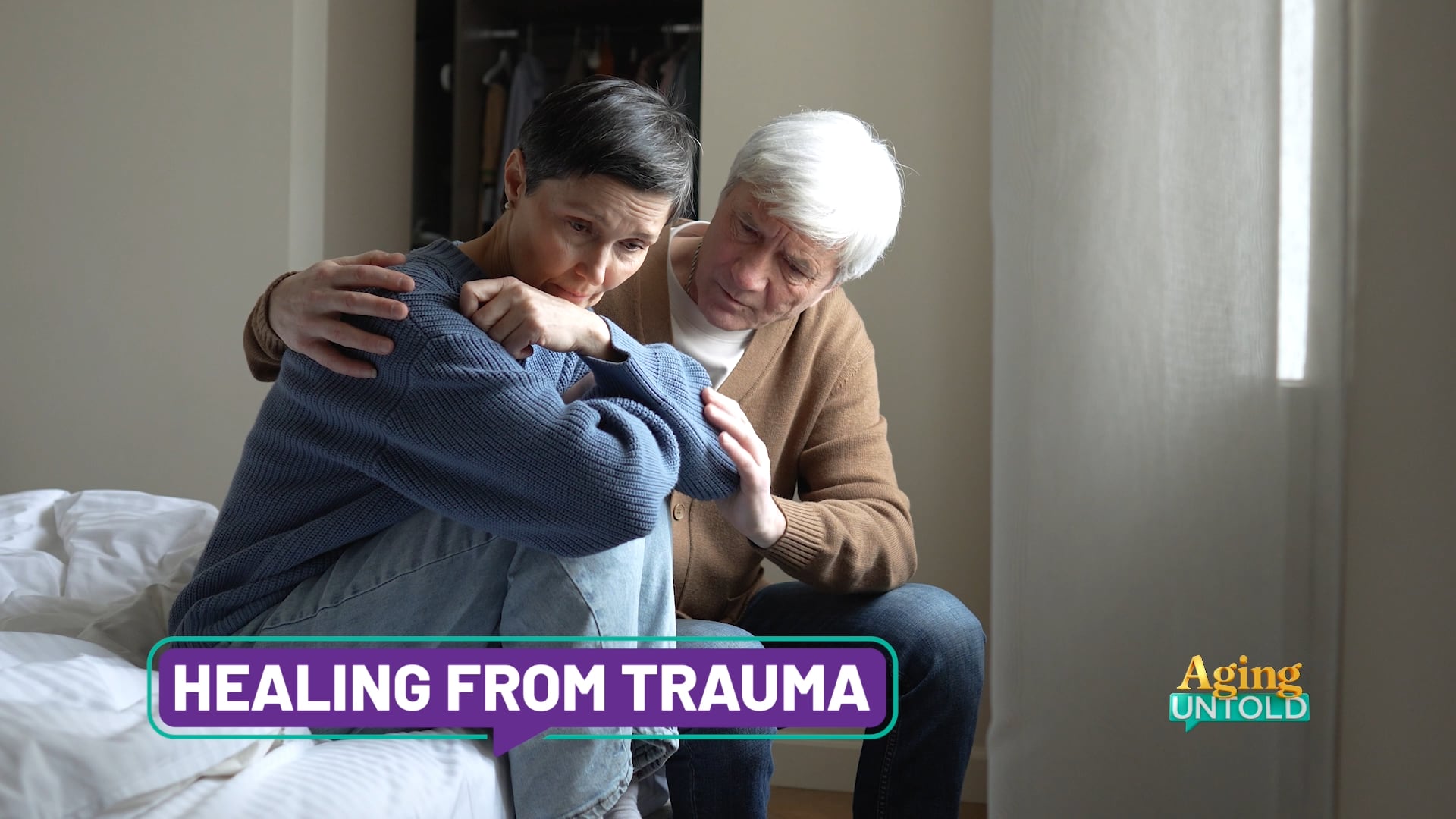
A growing conversation in Portland, Oregon, is focusing on the persistent nature of Post-Traumatic Stress Disorder (PTSD) and how it can manifest or resurface in older adults. Experts and discussions indicate that PTSD is not a condition that simply fades with time; instead, it can emerge or intensify during significant life transitions, such as retirement or the loss of loved ones.
The trend highlights a critical misunderstanding: PTSD is fundamentally a physical and neurological response to past experiences of danger. As individuals age, these underlying responses can become more apparent, sometimes being misdiagnosed as age-related cognitive decline, dementia, or depression. This misdiagnosis can prevent older adults from receiving appropriate care and support for their trauma-related conditions.
A key point being discussed is that the experiences contributing to trauma are not limited to major, singular events. It is noted that even what might be considered “non-major” adverse experiences can accumulate and contribute to the development of PTSD over time. This broadens the understanding of who might be affected and the potential sources of their ongoing distress.
The challenge for older adults experiencing PTSD symptoms, such as anxiety, intrusive thoughts, or heightened startle responses, lies in recognizing these as potential signs of unresolved trauma rather than inevitable consequences of aging. The lack of expiration for PTSD means that individuals who experienced trauma earlier in life, even decades ago, may find these symptoms re-emerging or worsening as they navigate the later stages of life. The specific neurological and physiological impacts of PTSD remain with an individual, potentially affecting their quality of life and mental well-being as they age.
Discussions in Portland are therefore emphasizing the need for increased awareness and accurate diagnosis of PTSD in the geriatric population. Understanding that PTSD does not have a statute of limitations is crucial for providing effective care and support to older individuals grappling with the lingering effects of past trauma.
Story summarized from the original created by LeAnne Gendreau, Katherine Ambrose , Sondra ‘Sam’ Cradduck , Amy Amy Cameron O’Rourke, Rhea Rogers on www.kptv.com, see more information here.
Media gallery