
Animal Shelters Grapple With Geographic Mismatches, Relocation Efforts Expand
Animal shelters across the U.S. are facing overwhelm due to geographic mismatches, where animals are located in areas with fewer resources and adopters, while other regions have more available homes. Programs like the ASPCA's relocation initiative address this by transporting…

 Portland, OR, October 2, 2026 —
Animal shelters nationwide are experiencing significant strain due to a persistent geographic mismatch: animals are often concentrated in areas with limited adoption potential, while other regions possess a greater capacity to place them. This disparity leads to overcrowded facilities and increased euthanasia rates in some locations.
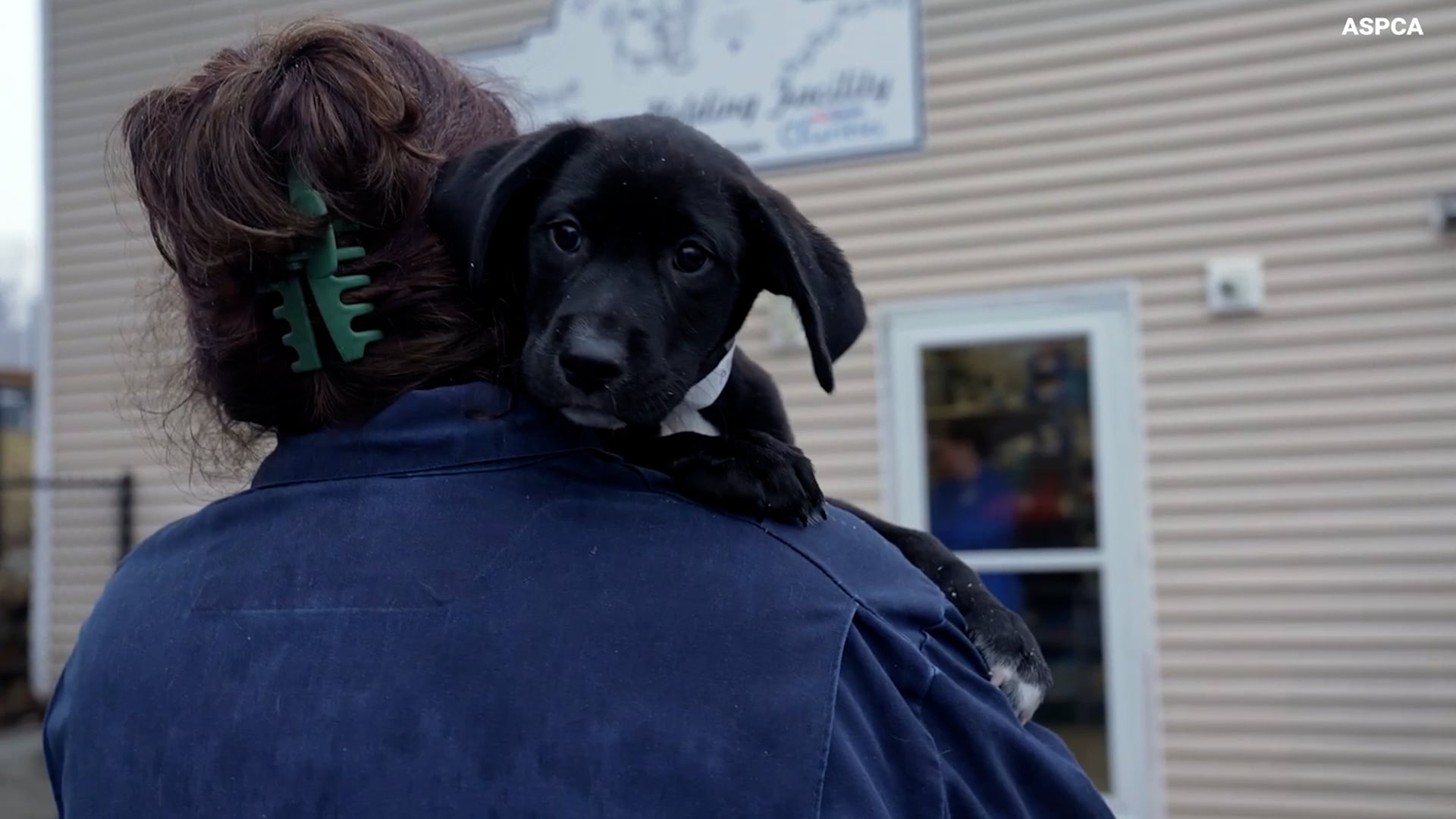
Addressing this challenge, organizations are expanding relocation initiatives. One such program, spearheaded by the ASPCA, involves transporting animals considerable distances, utilizing both land and air travel. The objective of these efforts is to move animals from areas where demand is low to regions where adoption rates are higher, thereby offering more animals a chance at finding permanent homes and contributing to a reduction in euthanasia numbers.
In response to the complexities of inter-state and inter-regional animal transfers, several states are enacting more rigorous regulations. Oregon is noted as one such state that is implementing stricter rules governing animal shelter and rescue transfers. These new regulations are designed to enhance the oversight of such movements, with a primary focus on safeguarding the health and ensuring the overall safety of the animals being relocated.
The specifics regarding the contractor responsible for transporting animals or the exact number of animals moved by the ASPCA’s initiative were not detailed in the provided information. Similarly, the precise nature of the stricter regulations being implemented in Oregon, beyond ensuring health and safety, was not specified.
These relocation programs and evolving regulatory landscapes highlight a national effort to manage animal welfare more effectively by aligning animal populations with adopter availability across different geographic areas.
Story summarized from the original created by Kristin Crowley, Shannon Weston on www.kptv.com, see more information here.
Media gallery


