Why Automation-Ready Electrical Infrastructure is Critical for India’s Next Manufacturing Leap
MUMBAI, IN / ACCESS Newswire / July 29, 2026 / A visitor walking through a modern factory will probably notice the

Press Release Disclaimer: This is a press release distributed through the XPR Media network. It has not been independently verified by our newsroom.
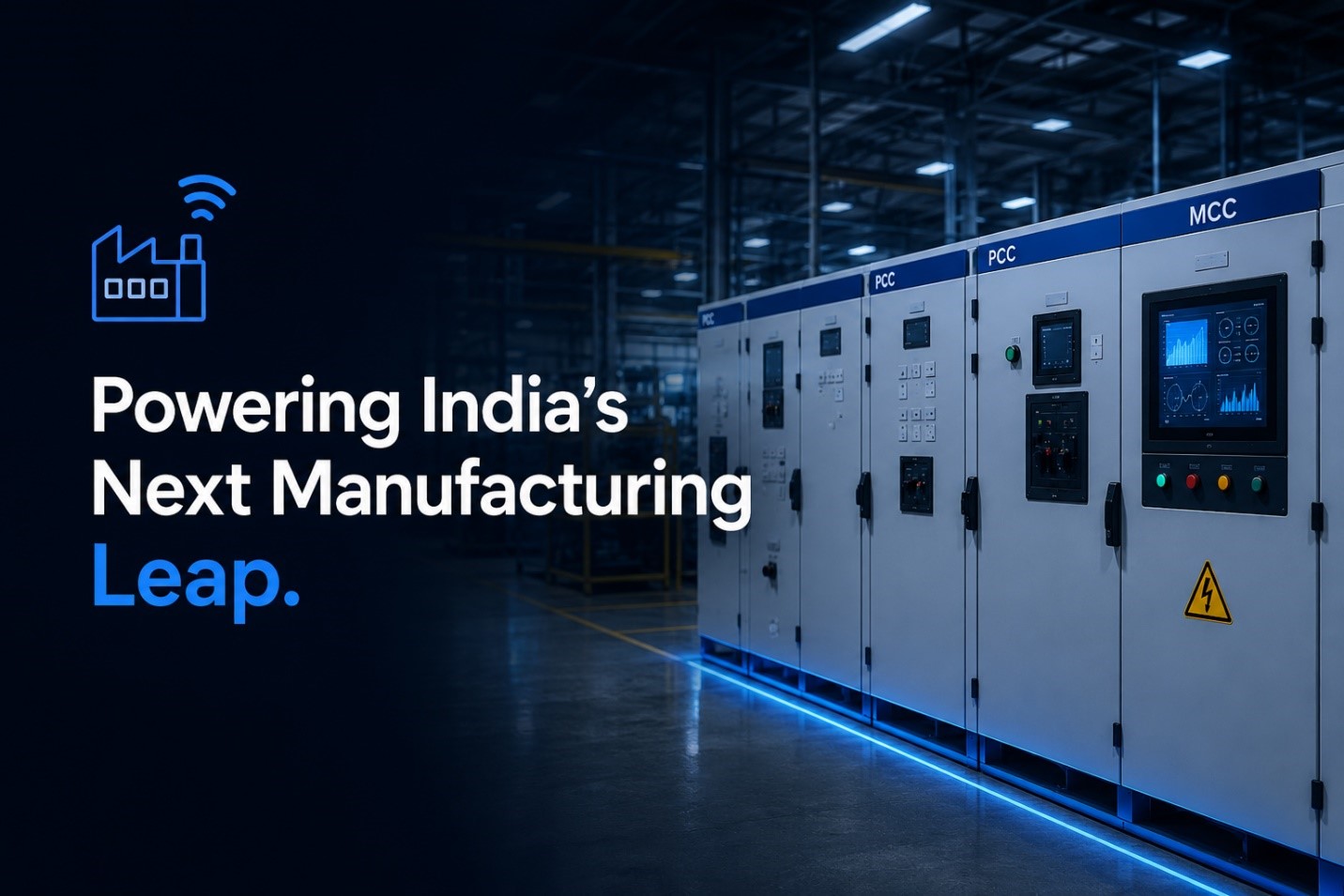

MUMBAI, IN / ACCESS Newswire / July 29, 2026 / A visitor walking through a modern factory will probably notice the robots first. Or the automated conveyors. Maybe the large digital screens show production data in real time. What they usually do not notice is the electrical infrastructure quietly supporting everything underneath.
That part rarely gets attention.
Yet ask engineers responsible for keeping a facility running, and the conversation often turns in a different direction. They talk about network visibility. Expansion capacity. Communication systems. Power quality. Reliability.
The reality is simple. Modern manufacturing depends on far more than machinery alone.
A factory can purchase new industrial automation systems relatively quickly. Rebuilding the electrical foundation after operations begin is another story entirely. That is why automation readiness is increasingly becoming a long-term business decision rather than just an engineering one.
What Does Automation-Ready Mean?
People often imagine automation readiness as rows of advanced machines connected to sophisticated software platforms.
That is only part of the picture. The real idea starts much earlier.
An automation-ready facility is designed so that future technologies can be added without causing major disruption. The electrical network, communication pathways, monitoring systems, and control architecture are planned with expansion in mind from day one.
Think about a factory that begins with two production lines.
Five years later, demand increases. New machines arrive. Additional sensors are installed. Management wants detailed operational analytics. Suddenly, the facility is expected to do things nobody discussed during the original construction phase.
This happens all the time.
Facilities built with flexibility tend to adapt far more easily than those designed only around immediate requirements. This flexibility is becoming one of the most valuable assets a manufacturer can possess.
Core Elements of a Modern Electrical Foundation:
When discussions focus on advanced manufacturing, most attention naturally goes toward visible technology. The machines get photographed. The infrastructure rarely does. Yet behind every efficient operation is an electrical foundation quietly holding everything together.
Intelligent Distribution Systems
Electrical distribution used to be mostly about delivering power where it was needed. Today, expectations are different. Operators want visibility into energy use. They want to understand loading conditions. They want information before a problem affects production. Modern distribution systems help provide that visibility continuously. Instead of discovering issues after performance declines, teams can often identify unusual patterns much earlier.
Motor Control and Drives
Motors are everywhere. Walk through almost any manufacturing facility, and you will find them running pumps, conveyors, compressors, mixers, ventilation systems, and production equipment. Because motors account for a large share of industrial energy consumption, the way they are controlled matters significantly. Advanced drive technologies help improve efficiency while reducing unnecessary electrical and mechanical stress.
Connected Control Platforms
Factories generate enormous amounts of information every day. The challenge is not collecting data. The challenge is making sense of it. PLCs, HMIs, communication gateways, and monitoring platforms transform operational information into something useful. They help maintenance teams, operators, and managers understand what is happening inside the facility at any given moment. In fact, many of the industrial automation solutions being implemented across manufacturing sectors today depend on these connected control platforms to transform operational data into meaningful business insights.
Combined Electrical Buildings
Project schedules seem to get tighter every year. This is one reason ehouses continue attracting attention across large industrial projects. Instead of assembling complex electrical infrastructure entirely onsite, systems can be integrated, tested, and prepared in controlled environments before deployment. The approach often saves time while helping maintain consistency across large projects.
The Push Toward Industry 4.0:
Twenty years ago, manufacturing conversations focused heavily on machinery. Today, information sits at the centre of many strategic discussions. The change happened gradually. Now it feels completely normal.
Real-Time Operational Visibility
Managers increasingly expect answers immediately.
-
How much energy is being consumed?
-
Which machine is underperforming?
-
Where is downtime occurring?
Waiting until the end of a shift to discover those answers no longer feels practical in highly competitive environments.
Connected Equipment Ecosystems
Factories once operated as collections of individual machines. One machine completed a task. Another handled something else. Communication between them was often limited. Today, equipment increasingly operates as part of connected ecosystems where information moves continuously across production processes, helping teams make faster and more informed decisions.
Predictive Maintenance Approaches
Equipment almost never fails without warning. The signs are usually there. The problem has always been spotting them early enough. Modern monitoring technologies track temperature, vibration, current, voltage, and operational behaviour continuously. Maintenance becomes proactive instead of reactive, reducing costly interruptions. Many of these capabilities are made possible by modern industrial automation technologies that continuously collect and analyse information from equipment throughout the facility.
Smarter Production Decisions
Experience remains important. It always will. But modern manufacturers increasingly support experience with data. The growing adoption of Industry 4.0 electrical solutions is helping manufacturers connect operational intelligence directly with production decision-making. Production planning, scheduling, resource allocation, and process improvements are now influenced by information that was simply unavailable a generation ago.
Government Initiatives Driving Manufacturing Growth:
India’s manufacturing ambitions are supported by several initiatives that continue to encourage industrial investment and expansion. Their influence is becoming easier to see across multiple sectors.
Make in India
The Make in India initiative helped place renewed attention on domestic manufacturing growth. As production capacity expands, the need for infrastructure capable of supporting automation and digital technologies grows alongside it.
Production Linked Incentive Programs
PLI schemes have encouraged investment across sectors, including electronics, automotive manufacturing, renewable energy, and advanced industrial production. Many of these industries depend heavily on connected operations and intelligent control systems to remain globally competitive.
Industrial Corridors and Smart Facilities
New industrial developments are increasingly being planned with long-term scalability in mind. Electrical systems are no longer viewed simply as utilities. They are increasingly treated as strategic assets that influence future operational flexibility.
Digital Manufacturing Initiatives
Government support for digital transformation continues to encourage broader adoption of automation technologies. As this trend accelerates, automation in electrical infrastructure is becoming a key requirement for facilities looking to integrate monitoring, communication, and intelligent control systems effectively. As this trend accelerates, facilities capable of integrating monitoring, communication, energy management, and operational intelligence become increasingly valuable.
Why Power Systems Form the Backbone of Industrial Automation:
Automation receives most of the attention. The infrastructure supporting it usually remains hidden behind walls, inside substations, and within electrical rooms. Yet that infrastructure is what makes automation possible.
Reliable Power Supports Reliable Operations
This sounds obvious. Yet many operational challenges can ultimately be traced back to power quality issues, interruptions, or instability. Automated systems depend on consistency. Reliable electrical infrastructure helps create that consistency.
Communication Needs a Strong Foundation
Connected manufacturing relies on constant communication. Sensors exchange information with controllers. Controllers communicate with monitoring systems. Data moves continuously throughout the facility. None of that works effectively without dependable supporting infrastructure.
Expansion Becomes Less Disruptive
Factories rarely remain unchanged for long. A production line gets added. New machinery arrives. Capacity expands. Facilities built around future growth tend to handle these transitions far more smoothly than those designed only around immediate requirements.
Energy Optimisation Starts Here
Many organisations begin paying close attention to energy consumption only after costs start increasing. Facilities that build visibility into their electrical systems from the beginning usually find it much easier to identify inefficiencies and implement improvements over time.
Key Benefits of Automation-Ready Electrical Infrastructure:
The value extends well beyond technology adoption. In practice, it influences almost every aspect of industrial performance.
Greater Operational Flexibility
Markets change quickly. Production requirements change, too. Facilities with flexible infrastructure can typically adapt faster without extensive reconstruction or prolonged downtime.
Improved Reliability
Unexpected shutdowns remain among the most expensive challenges manufacturers face. Modern monitoring and intelligent electrical systems help identify developing issues before they evolve into major disruptions.
Better Resource Utilisation
Visibility often changes behaviour. When teams have clearer information about equipment performance and operating conditions, planning generally improves, and resources can be used more effectively.
Enhanced Energy Performance
Energy efficiency is no longer simply a sustainability conversation. It is increasingly a competitive conversation. Better visibility helps organisations understand where energy is being consumed and where opportunities for improvement exist.
Long-Term Competitiveness
Perhaps the biggest benefit is preparedness. Technology will continue evolving. Manufacturing expectations will continue evolving. Facilities supported by strong automation-ready infrastructure are generally better positioned to adapt without sacrificing operational stability.
Conclusion
Automation-ready electrical systems create the environment in which modern manufacturing technologies can deliver their full value. Without that foundation, even sophisticated automation strategies often encounter limitations.
Lauritz Knudsen Electrical & Automation supports this transition through advanced power distribution solutions, PLCs, HMIs, AC drives, communication technologies, soft starters, monitoring systems, and integrated electrical infrastructure solutions designed for modern industrial operations.
The factories that lead India’s next manufacturing chapter may not necessarily be the ones with the most equipment. They may be the ones who invested in the strongest foundations before everyone else realised how important those foundations would become.
Company Details
Company Name: Lauritz Knudsen Electrical & Automation
Contact Person: Lauritz knudsen Team
Email: cic@lk-ea.com
Phone: +91-22-69327800
Website: https://www.lk-ea.com/
SOURCE: Lauritz Knudsen Electrical & Automation
View the original press release on ACCESS Newswire