Bale Collision Center Explains How to Hire and Train Auto Glass Technicians
Little Rock, AR - November 25, 2026 - PRESSADVANTAGE - Bale Collision Center is publishing guidance explaining how

Press Release Disclaimer: This is a press release distributed through the XPR Media network. It has not been independently verified by our newsroom.
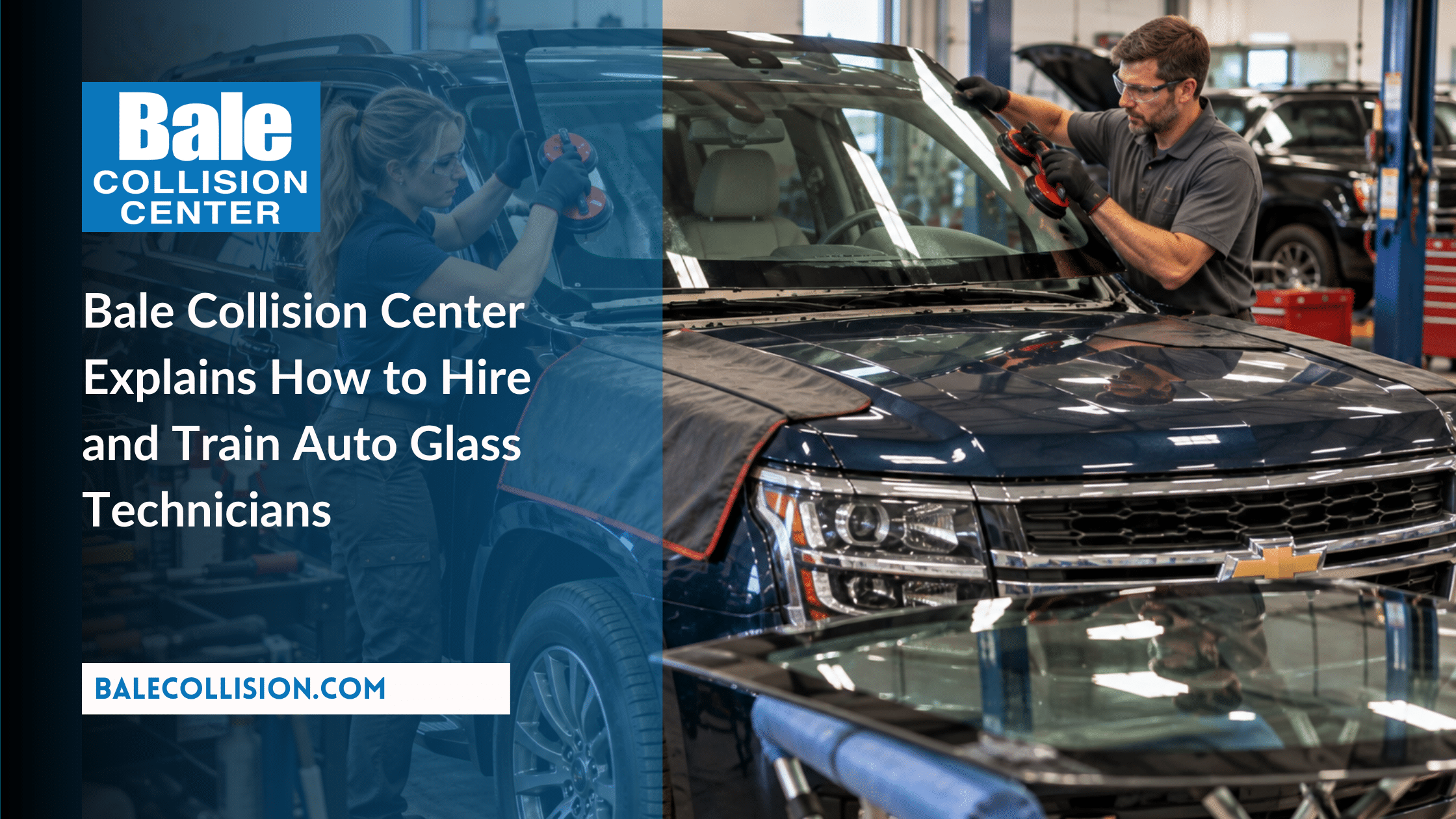

Little Rock, AR – November 25, 2026 – PRESSADVANTAGE –
Bale Collision Center is publishing guidance explaining how collision repair businesses can approach hiring and training auto glass technicians as they evaluate or develop in-house glass services. The November publication outlines a practical framework covering technician qualifications, installation training, safety procedures, Advanced Driver Assistance Systems (ADAS), and ongoing skills development.
Auto glass replacement requires more than removing damaged glass and installing a new component. Technicians must understand vehicle construction, glass specifications, adhesive systems, installation procedures, and the electronic equipment that may be associated with modern windshields.
Bale Collision Center provides auto glass replacement services in Little Rock. The new guidance addresses workforce considerations for repair businesses seeking to build or strengthen their internal glass capabilities, particularly when glass replacement is performed alongside collision repairs.
The first consideration is identifying the skills required for the position. Repair facilities should distinguish between general automotive experience and specific training in automotive glass removal, preparation, installation, and inspection.
Candidates with experience in collision repair may already understand vehicle components and repair workflows. However, that experience does not automatically establish proficiency in glass bonding procedures, adhesive handling, or the requirements associated with different glass installations.
The guidance recommends evaluating applicants based on demonstrated technical knowledge, attention to detail, familiarity with safety procedures, and willingness to follow manufacturer instructions.
Practical assessments can help employers understand a candidate’s experience. These may involve reviewing installation procedures, identifying glass components, explaining surface preparation requirements, or describing how to verify the correct replacement part.
Once a technician is hired, training should begin with foundational installation procedures. These include identifying the correct glass, protecting surrounding vehicle surfaces, removing damaged components, preparing bonding surfaces, and following the applicable adhesive manufacturer’s instructions.
Adhesive selection and handling are particularly important for bonded windshields. Technicians must understand product-specific preparation requirements, application procedures, environmental limitations, and minimum safe drive-away times.
The November guidance emphasizes that safe drive-away requirements cannot be shortened simply to increase the number of completed installations. Temperature, humidity, adhesive specifications, and other conditions may affect the applicable curing requirements.
Training should also address differences among vehicle designs. Windshield moldings, mounting arrangements, trim components, and installation methods can vary by manufacturer and model.
For businesses that provide collision repair services, technicians may also need to coordinate glass installation with body repairs, refinishing, and component reassembly. This coordination helps establish when glass work can proceed without interfering with other required repair operations.
Modern vehicle electronics represent another important training area. Some windshields support forward-facing cameras, rain sensors, heating elements, and other equipment that must be considered during replacement.
Bale Collision Center provides ADAS services for applicable vehicle systems. The guidance explains that technicians performing windshield replacement should understand how to identify vehicles with ADAS equipment and determine when manufacturer procedures call for additional work.
Glass installation training and ADAS calibration training are related but distinct. A technician qualified to replace a windshield is not automatically qualified to perform every calibration procedure associated with that vehicle.
Repair facilities should establish clear responsibilities for identifying calibration requirements, completing applicable procedures, and documenting the results. Depending on the business’s capabilities, calibration may be performed by appropriately trained internal personnel or coordinated with a qualified outside provider.
The publication also addresses supervision and competency verification. Newly hired technicians may benefit from working under experienced personnel while demonstrating proficiency in removal, preparation, installation, and final inspection procedures. Rather than relying solely on the number of installations completed, employers can evaluate whether technicians consistently follow documented procedures and recognize situations requiring additional technical information or assistance.
Ongoing training is another consideration. Vehicle technology, glass specifications, adhesive products, and manufacturer procedures can change. Repair facilities should account for continuing education, equipment updates, and access to current technical information.
For businesses developing an in-house glass department, the guidance recommends incorporating training expenses into workforce planning. These costs may include instructional programs, technician time, specialized tools, equipment access, and supervised practice.
The publication also encourages repair businesses to develop consistent documentation practices. Installation records can identify the replacement glass, relevant materials, procedures performed, and any additional inspection or calibration requirements.
For Little Rock collision repair businesses, the central takeaway is that hiring auto glass technicians should be treated as a technical workforce investment rather than simply filling an additional repair position. Candidate evaluation, structured training, appropriate supervision, and continued skills development can help businesses establish a more consistent approach to glass replacement.
Bale Collision Center provides auto glass replacement, collision repair, auto body repair, and related vehicle services at its Downtown location, 100 N Cross St, Little Rock, AR 72201.
###
For more information about Bale Collision Center, contact the company here:
Bale Collision Center (Downtown)
Jason Spiller
(501) 375-0910
jspiller@baleautomotive.com
100 N Cross St, Little Rock, AR 72201, United States